
Practical Info
Everything you need to know before you go -- money, safety, connectivity, and local customs.
Money & Costs
Calheta is mid-priced by Western-European standards and noticeably cheaper than Funchal for eating out, though the two seafront hotels sit at their own price point.
Currency
Euro (€)
Cards
Widely accepted
ATMs
Plentiful
Tipping
Modest, optional
Cards are accepted almost everywhere, including small village restaurants, and contactless is standard. Still, carry some cash: rural cafés, roadside bolo do caco stands and the odd parking machine prefer it.
Tipping is appreciated but never obligatory. In village restaurants and restaurants, round up or leave around 10% for good service; drop your coins in the jar at a café. Round up taxi fares, and at hotels reckon on roughly €1 a bag for the porter and €1 a day for housekeeping. Tip in cash. It rarely makes it onto the card.
Budget
€60–90
Guesthouse or apartment, village-restaurant meals, free sights, and a small hire car, because the bus service will not carry your day.
Mid-range
€110–180
A hotel, restaurant meals, a levada fee or two, and plenty of coffee.
Luxury
€250+
Boutique hotel, fine dining, private tours, the full coast in style.
Typical Prices
Indicative prices in euros, reviewed in 2026. Expect higher in peak summer and at beachfront spots.
Essential Services
The emergency number 112 works from any phone, free of charge and even without a local SIM card.
| Service | Number |
|---|---|
| General emergency, police, ambulance and fire | 112 |
| Forest fire and civil protection | 117 |
Dial 112 for any emergency, police, ambulance or fire. Operators generally speak English as well as Portuguese.
Electricity
Portugal uses the standard European system, 230 V, 50 Hz, and type C/F sockets, so most visitors from the continent need no adapter at all. UK, US and Irish plugs do.
Plug Type
Sockets take the European two-round-pin plugs, types C and F. Travellers from the UK or US will need a simple adapter.
Voltage
The supply is 230V at 50Hz. Most modern phone and laptop chargers handle this automatically -- just check the label.
Charging on the Go
Cafes across the centre offer power sockets and free WiFi, making it easy to top up devices over a coffee between sights.
Communication
Staying connected is easy on the coast. Coverage thins in the ravines and on the plateau, so do not count on a signal at the far end of a levada.
WiFi
Most hotels, restaurants, and cafes offer free WiFi, and speeds in town are good. Coverage is reliable across the centre and waterfront.
SIM Cards
The Portuguese networks are MEO, NOS and Vodafone, all with prepaid options sold at the airport and in Funchal. Coverage is good on the coast and patchy in the ravines and on the plateau. Do not count on a signal at the far end of a levada.
For less hassle, use an eSIM, Saily activates by QR on arrival, with no shop visit and no paperwork.
Roaming
Madeira is part of Portugal and therefore the EU, so "roam like at home" applies to EU and EEA SIMs at no extra cost. Non-EU SIMs, including most UK plans since Brexit, may charge; check before you land.
Safety Tips
Calheta is a safe, quiet municipality. These are the practical details worth knowing before you arrive.
Tap Water
Tap water on Madeira is safe to drink, including in Calheta. Refill a bottle rather than buying one. You will want it on the levadas.
Sun Protection
UV is strong from June to September. Pack high-SPF sunscreen, a hat, and water, and avoid long stretches in the midday sun, especially along the open waterfront.
Staying Aware
Calheta is safe and low-crime. The real hazards here are environmental: unfenced clifftops, Atlantic swell on the boulder shores, and weather on the plateau that changes faster than the forecast.
Emergencies
The emergency number 112 works from any phone, free of charge and even without a SIM card, connecting you to police, ambulance, or fire services.
Tourist Tax
Several Madeiran municipalities charge a municipal tourist tax, typically €2 per person per night capped at seven nights, collected by your accommodation at check-in. Whether Calheta levies it, and at what rate, changes by municipality and by year. Confirm with your hotel when you book rather than trusting a blanket figure.
Seasonal Guide
When you visit shapes your experience. Here's what to expect through the year.
| Season | Months | Weather | Crowds | Prices | Notes |
|---|---|---|---|---|---|
| Peak Season | Christmas, New Year & July–August | 22–27°C on the coast | Busy | Highest | The island fills for the holidays and the summer break. The coast stays comfortable rather than fierce; it is the levada car parks and the trail slots that feel the pressure. |
| Best Months | April–June & September–November | 19–25°C, mostly sunny on this coast | Moderate | Lower | The best window: warm sea into the autumn, clearer plateau days, and trail slots you can still book a day or two ahead. |
| Quieter Months | January–March | 16–20°C, wetter spells | Quiet | Lowest | Mild and green at sea level, with more cloud and closed trails up on Paul da Serra. Cheapest rates of the year outside the holidays. |
Public Holidays & Closures
On public holidays most shops, banks, and offices close, and museum and monument hours are cut back or suspended. Check ahead before you plan a visit around one.
| When | Holiday |
|---|---|
| 1 January | New Year's Day |
| Movable (Mar–Apr) | Good Friday & Easter Sunday |
| 25 April | Freedom Day (Dia da Liberdade) |
| 1 May | Labour Day |
| 10 June | Portugal Day |
| 1 July | Madeira Day (regional) |
| 15 August | Assumption |
| 25–26 December | Christmas Day and the day after (26 December is a Madeira holiday) |
The widest closures fall around Christmas, New Year and Easter, and around Madeira Day on 1 July. Portugal also observes Corpus Christi, 5 October, 1 November, and 1 and 8 December; on all of them banks and public offices shut while restaurants and the beach carry on much as usual.
Useful Phrases
Portuguese is the language, and English is widely spoken in tourism. A few words still go a long way in the villages, where it is not.
| English | Portuguese | Pronunciation |
|---|---|---|
| Good morning | Bom dia | bong DEE-ah |
| Good afternoon | Boa tarde | BOH-ah TAR-de |
| Good evening | Boa noite | BOH-ah NOY-te |
| Please | Por favor | poor fah-VOR |
| Thank you (said by a man / by a woman) | Obrigado / Obrigada | oh-bree-GAH-doo / -dah |
| Excuse me | Com licença | kong lee-SEN-sa |
| How much is it? | Quanto custa? | KWAN-too KOOSH-ta |
| The bill, please | A conta, por favor | ah KON-ta poor fah-VOR |
| A poncha, please | Uma poncha, se faz favor | OO-ma PON-sha se fash fah-VOR |
| Cheers | Saúde | sah-OO-de |
| Where is the beach? | Onde fica a praia? | ON-de FEE-ka a PRY-a |
| I don't speak Portuguese | Não falo português | nowng FAH-loo poor-too-GESH |
Calheta travel tips, FAQ
Madeira uses the euro (€). Cards are accepted almost everywhere and ATMs are easy to find in Calheta, but keep some cash for rural stops.
Yes. Madeira's tap water is safe to drink, and refilling a bottle is the sensible move before a levada walk.
The emergency number 112 works from any phone, free of charge and even without a SIM card, connecting you to police, ambulance, or fire services.
Any month. The south-west is the island's driest, sunniest coast, so it works year-round; the sea is warmest roughly August to October, and April–June and September–November give the best odds of a clear plateau for the levadas.
Yes, widely, in hotels, restaurants and anything tourism-facing. Away from that, less so. A few words of Portuguese, starting with obrigado or obrigada for thank you, are genuinely appreciated.
Practical guides
Getting from the airport, moving around the town, costs, safety, and what to bring home.
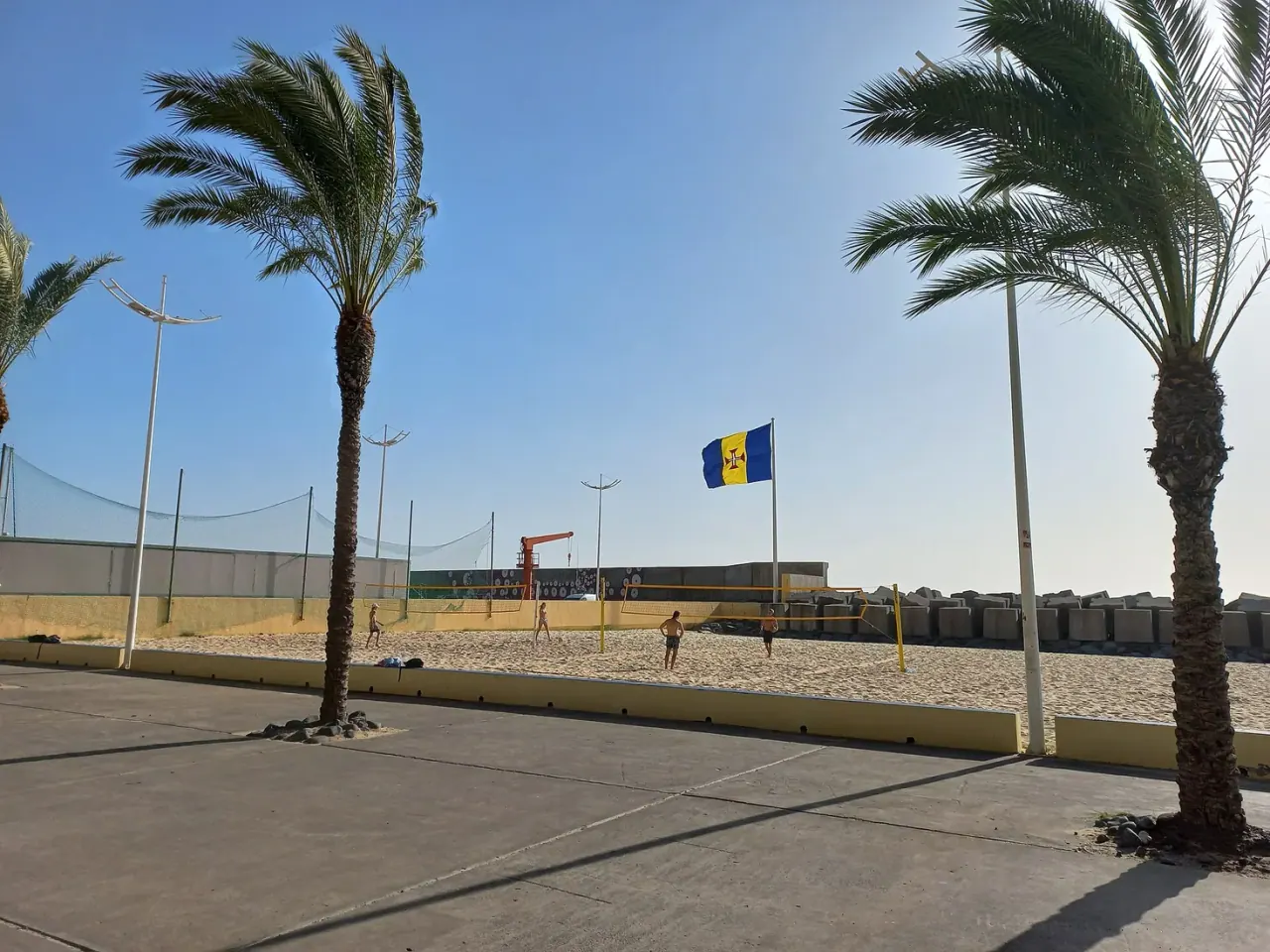
The Best Time to Visit Calheta, Madeira
When to visit Calheta, why there is no closed season on Madeira's south-west coast, when the sea is warmest, and which months give you the best odds on the levadas.
2 min read
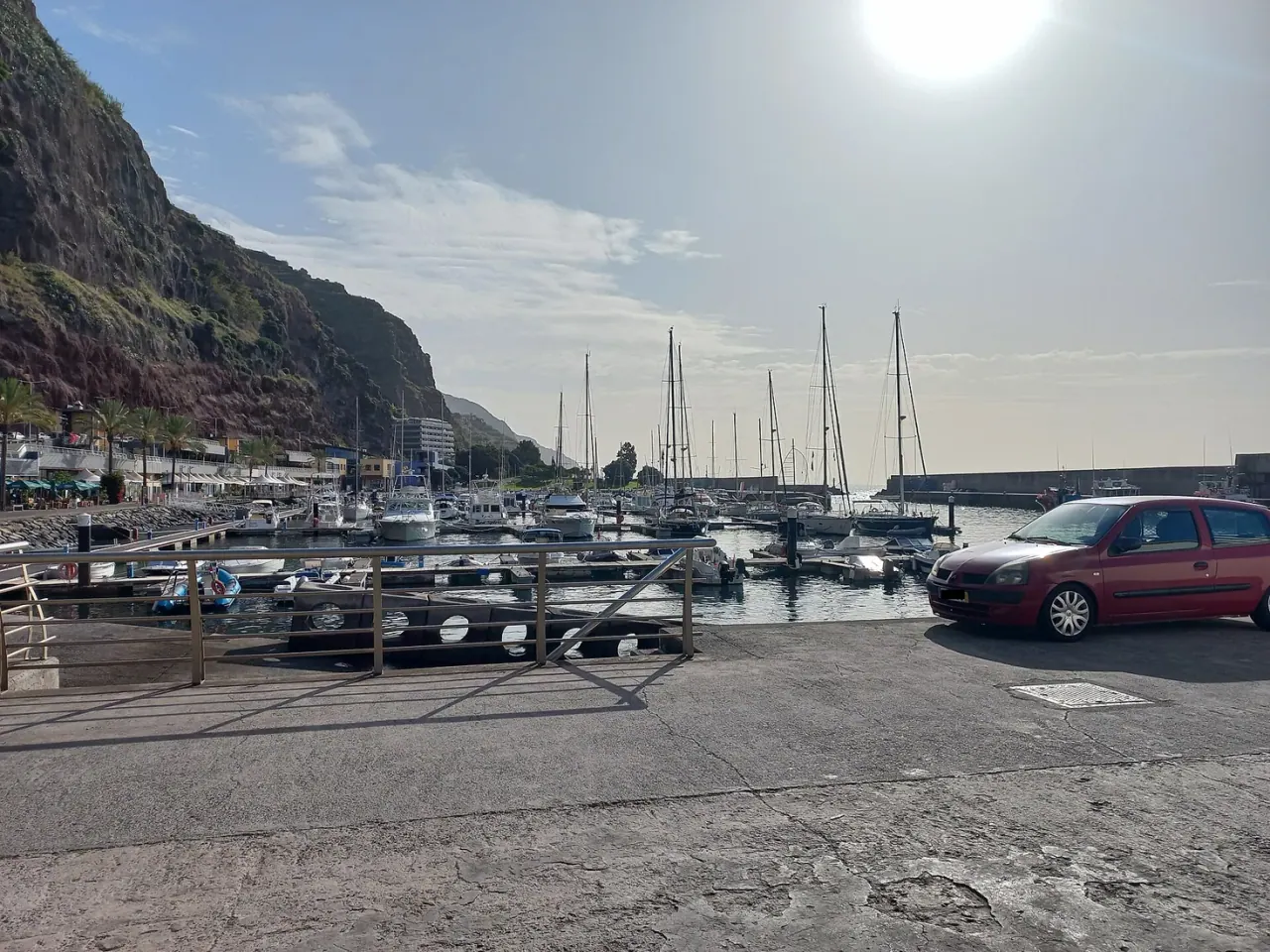
Getting to Calheta, Madeira: Airport, Expressway & Buses
How to reach Calheta on Madeira's south-west coast, Madeira Airport, the VR1/VE3 expressway west, the Rodoeste buses, and whether you need a hire car.
3 min read
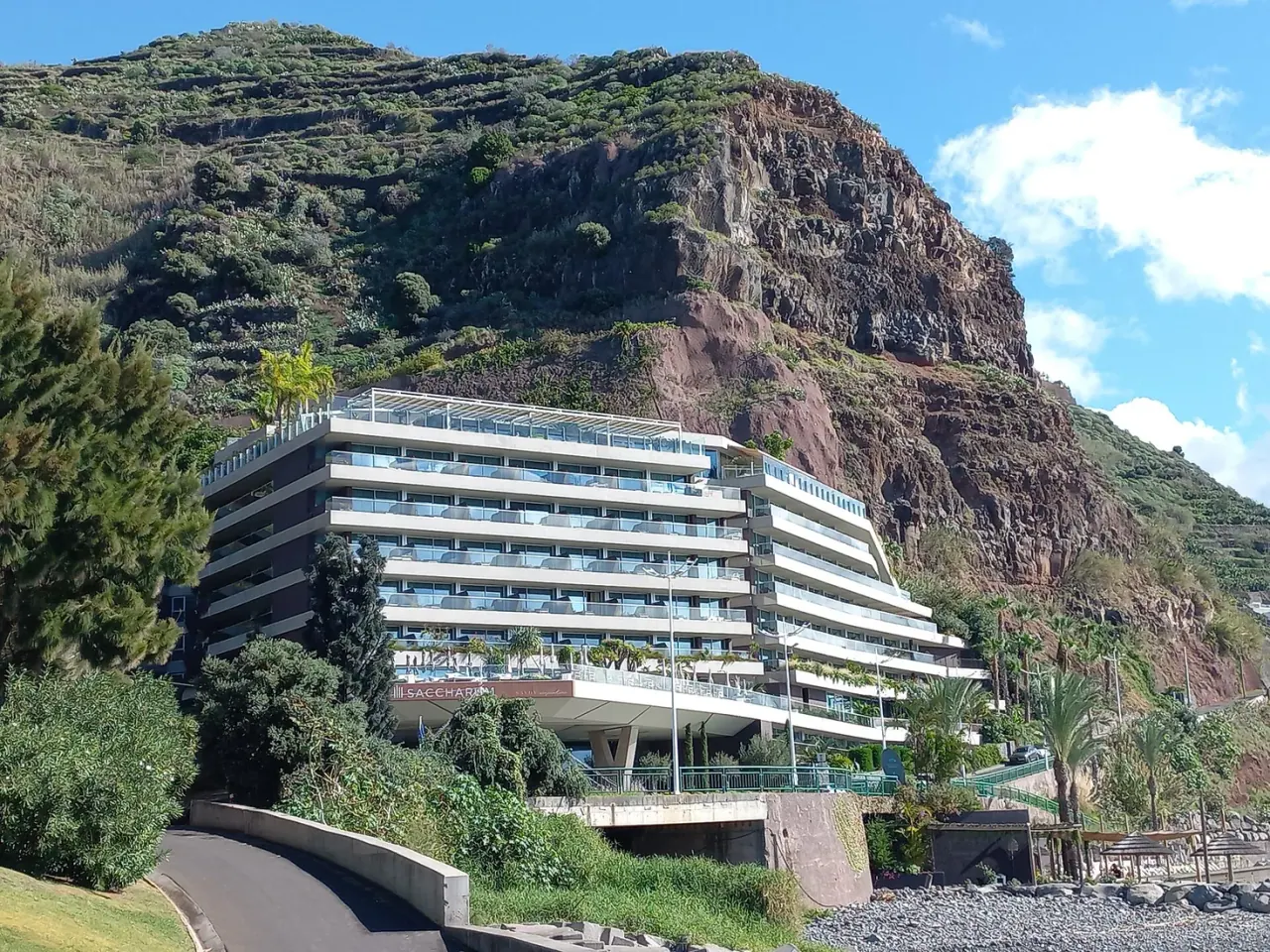
Where to Stay in Calheta: Seafront, Terraces or the West
The three places to base yourself in Calheta, Madeira, the seafront beside the beach, the quintas in the terraces above town, or the cliff villages out west.
4 min read
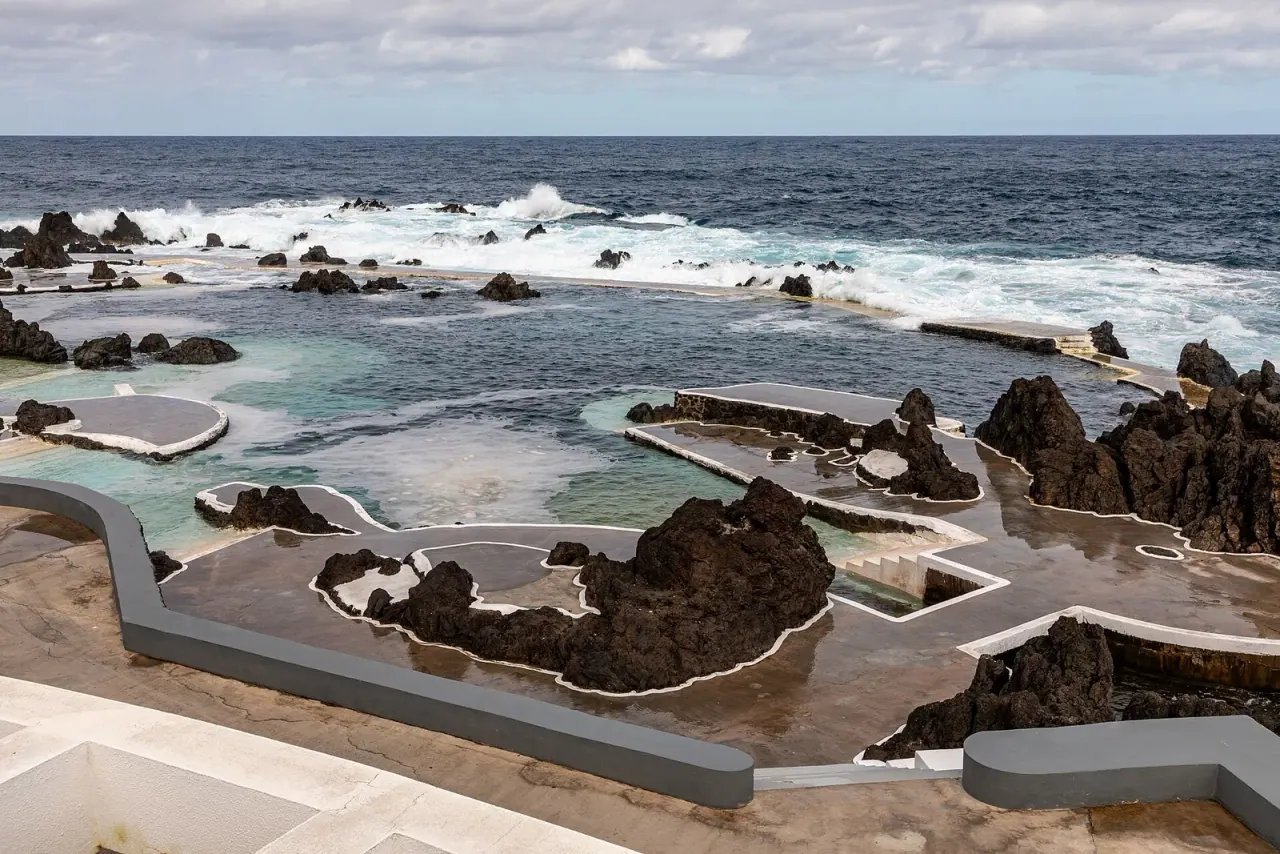
The Best Day Trips from Calheta
Where to go from Calheta, Madeira, Porto Moniz, Fanal, Seixal, Cabo Girão, Câmara de Lobos, Funchal and Pico do Arieiro, with honest drive times.
2 min read