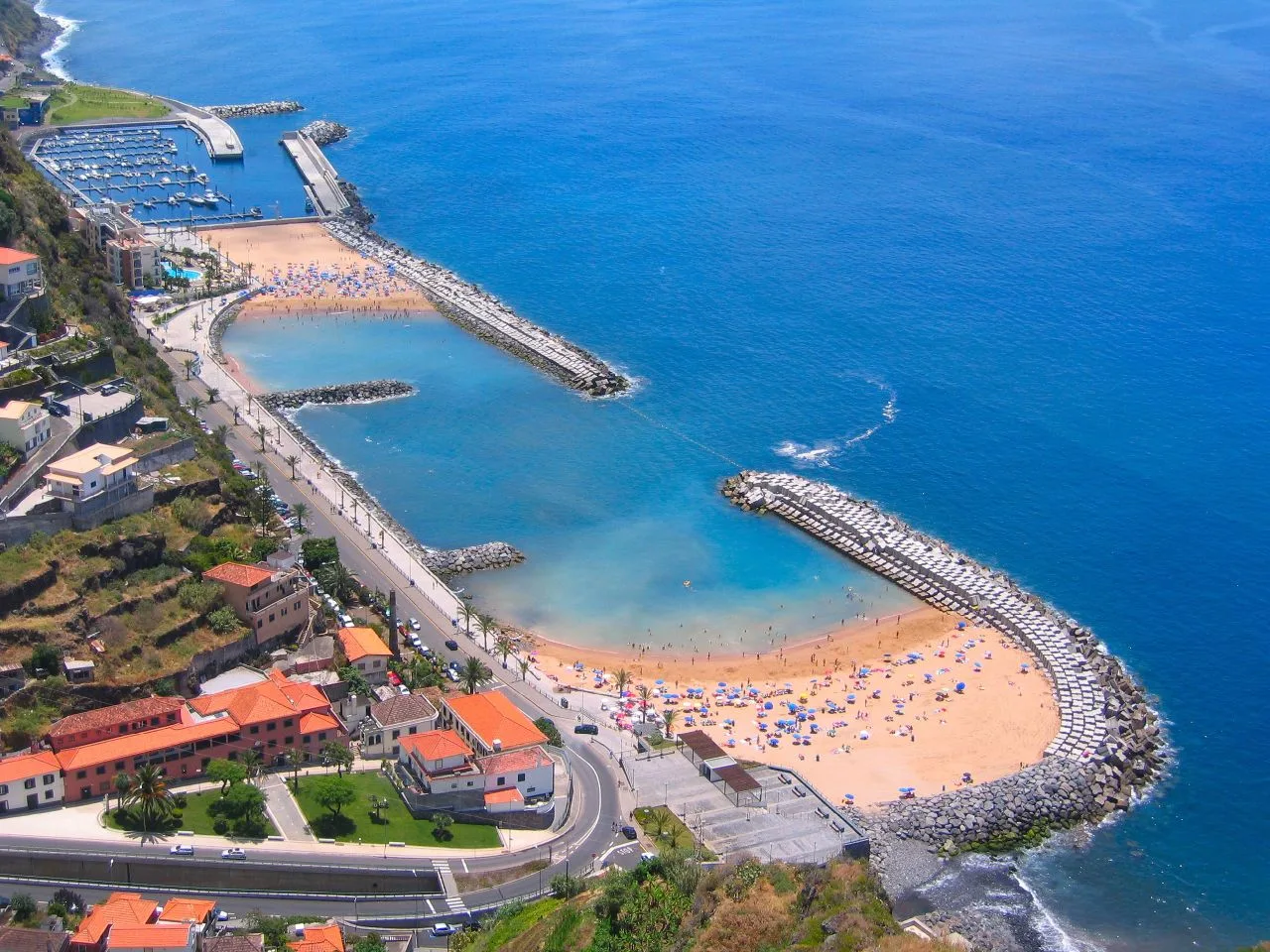
The beach and marina at Calheta on Madeira's south-west coast

Sights

The engineered beach and the marina at sea level, a working rum mill and a basalt art museum in the village, and, 25 km up the road, the laurel-forest levadas at Rabaçal.

Where to start

Calheta's sights split by altitude. At sea level: the beach, the marina, the parish church and the sugar-cane mill, all within a few hundred metres of each other. On the headland above: the MUDAS museum. Half an hour uphill: Rabaçal and the levadas. West along the coast: the surf villages and the lighthouse.

Don't miss

Praia da Calheta

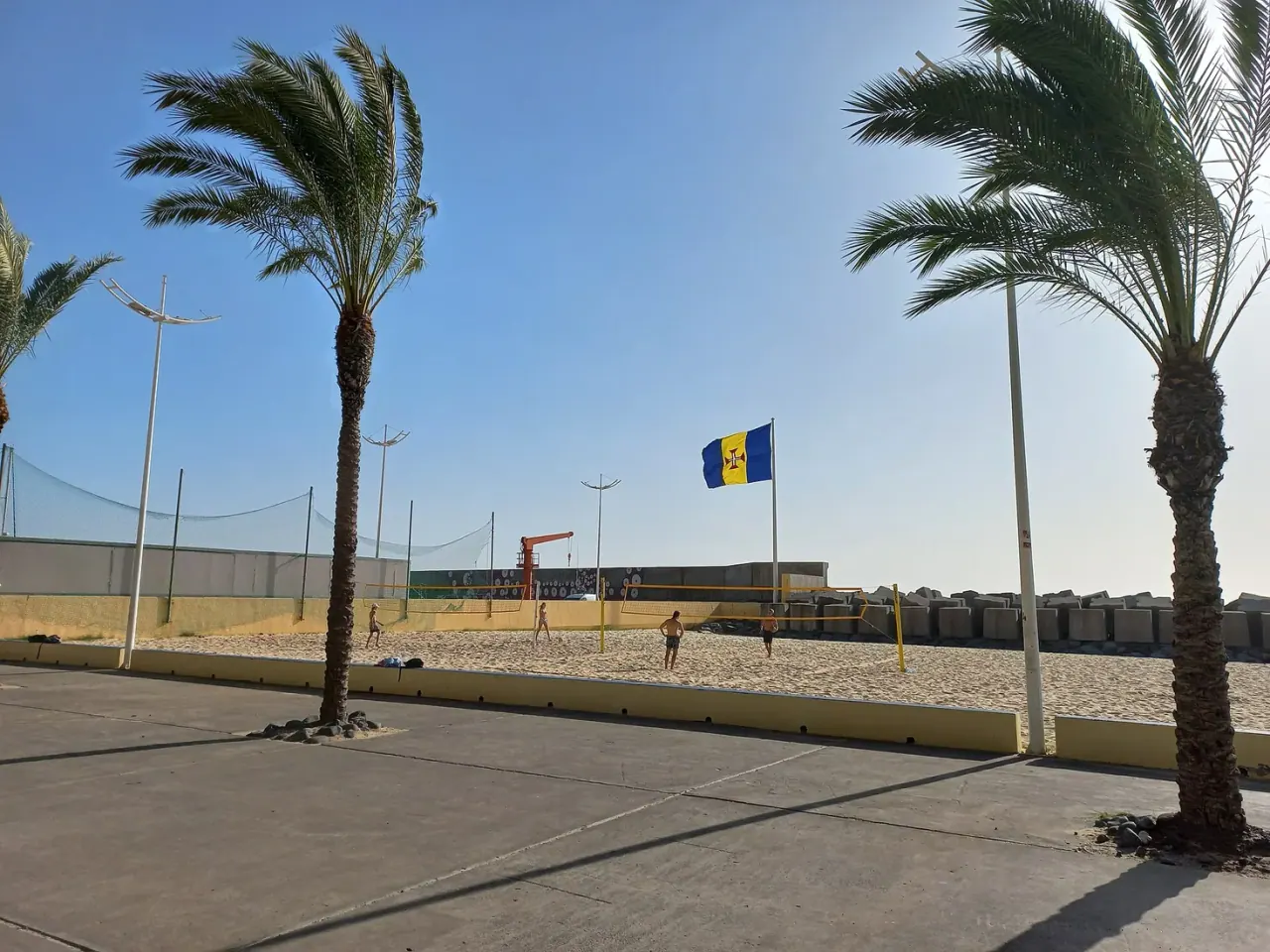
Madeira's first artificial beach, about 100 m of imported golden sand held between two breakwaters, opened in 2004 on a coast that is otherwise boulder and pebble.

Don't miss

Engenho da Calheta

A working sugar-cane mill and rum distillery in the middle of the village, with copper stills over a century old and a free-to-enter tasting room.

Don't miss

Levada das 25 Fontes

The island's most walked levada, starting at Rabaçal inside this municipality, booked in advance through SIMplifica, and busiest from mid-morning.

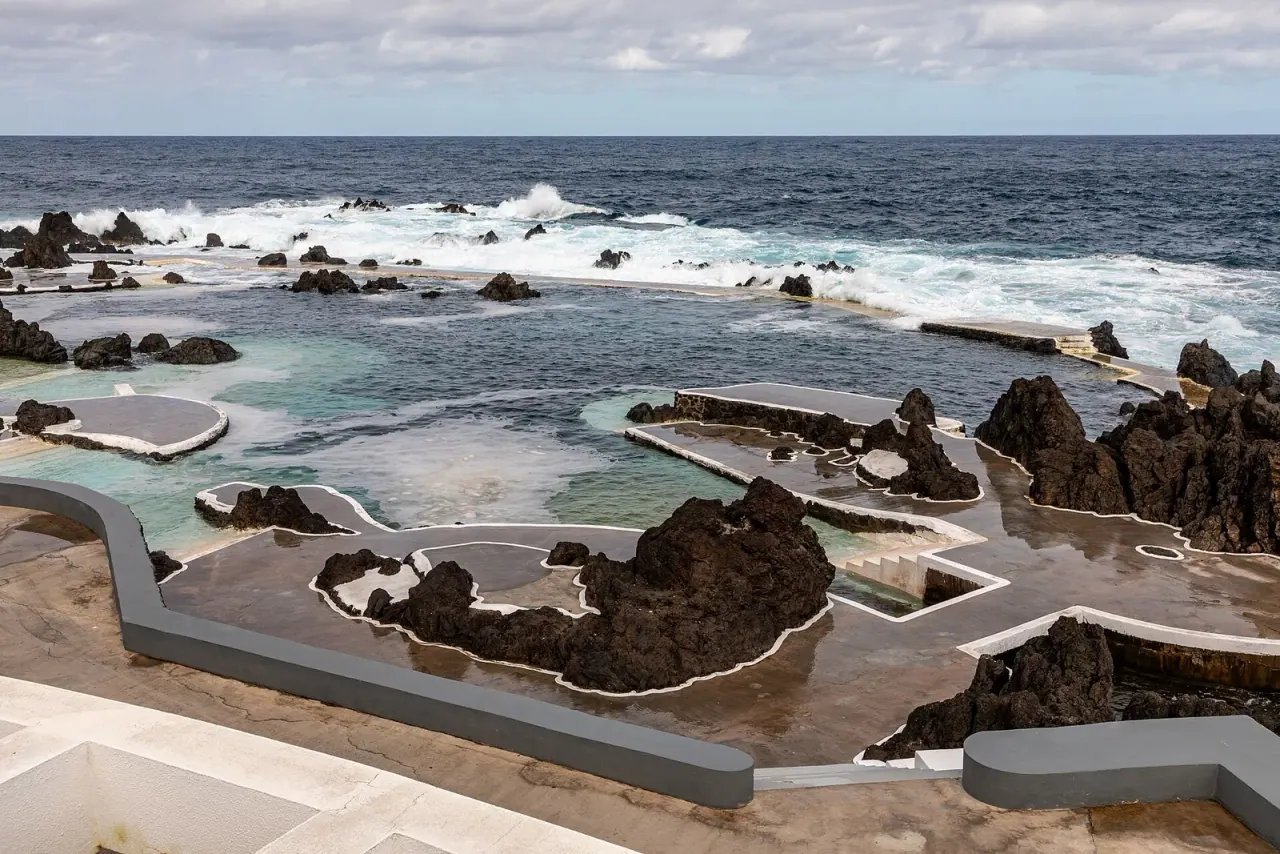
Looking further afield? Porto Moniz's natural pools and the Fanal laurel wood are both about 35–40 minutes across the plateau, and Funchal is 35–50 minutes east on the expressway.

The golden-sand beach of Calheta enclosed by two stone breakwaters, with the Atlantic beyond
Opened 2004

Praia da Calheta

Madeira's first artificial sand beach, and still the reason most visitors come down to Calheta. Roughly 100 m of golden sand sits between two sloped breakwaters that hold the sand in place through winter swells, on an island whose shoreline is otherwise basalt pebble and boulder. The water inside the arms is calm enough for children on almost any day the rest of the south coast is not.

In the centre of Calheta·Half a day
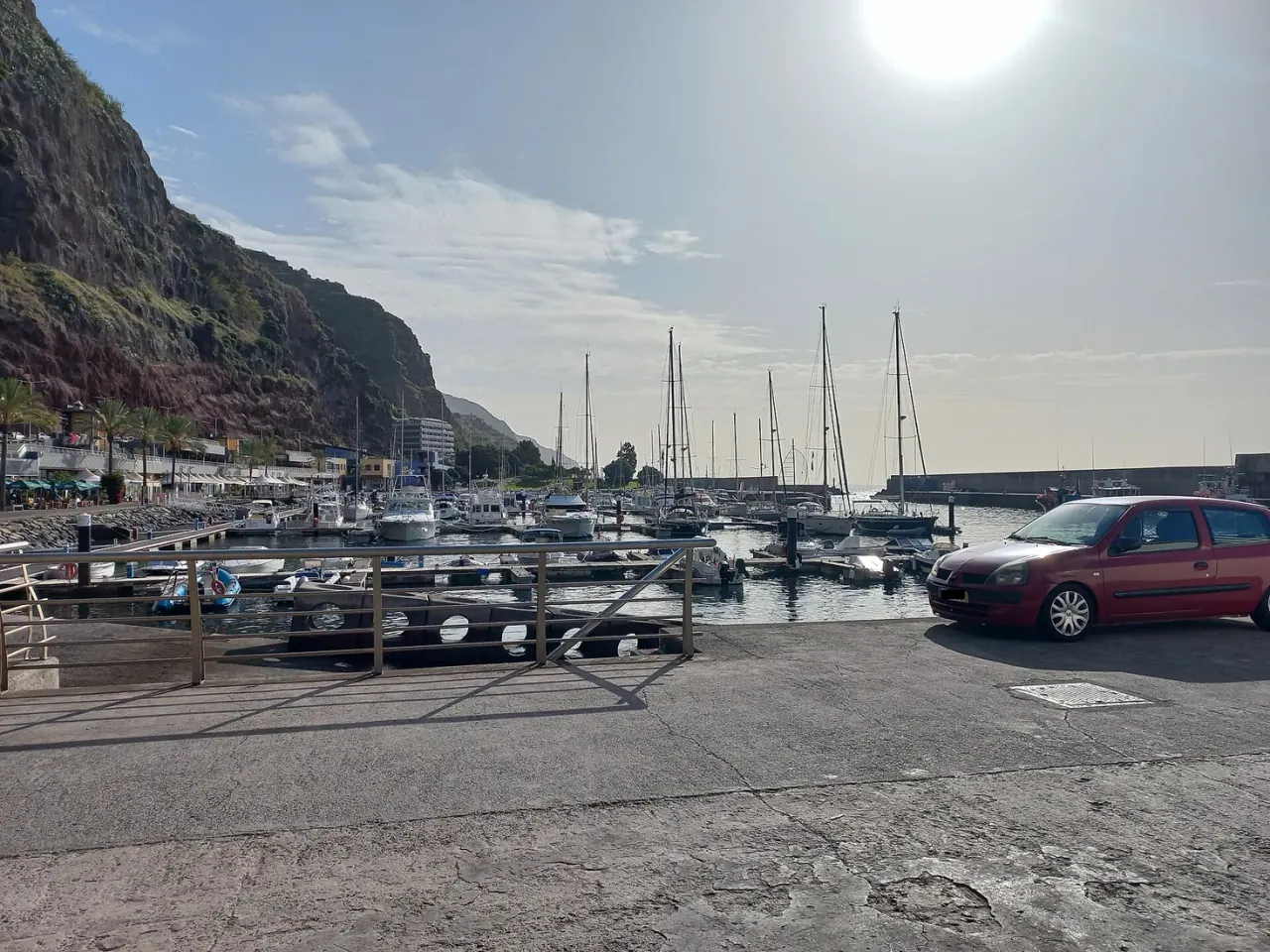
Yachts moored inside the breakwater of Calheta marina on Madeira's south-west coast
Modern

Marina da Calheta

The small working marina immediately east of the beach, and the departure point for everything Calheta does on the water, cetacean-watching trips, coastal sailing, diving and fishing charters. It is also where the town eats in the evening: the quay is lined with restaurants and bars looking back at the sand.

In the centre of Calheta·1 hour, or an evening
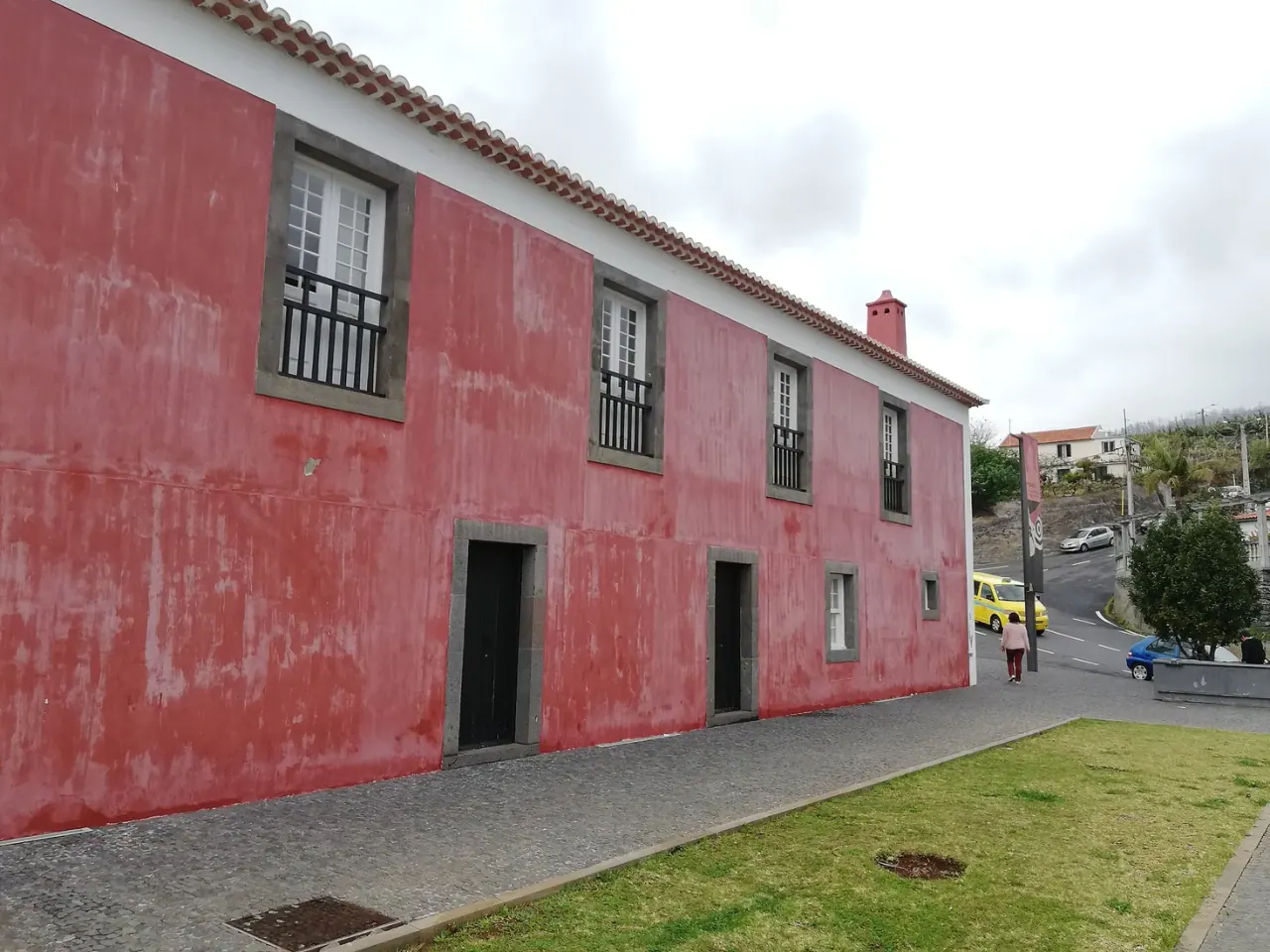
The red-walled Casa das Mudas manor house above Calheta, which gives the museum its name
Building opened 2004

MUDAS, Museu de Arte Contemporânea da Madeira

Madeira's contemporary art museum, and the most serious piece of architecture on this coast. Paulo David's building is cut into the headland above the town in local basalt, so it reads as an extension of the cliff rather than an object placed on it. Inside are around 400 works of Portuguese contemporary art from the 1960s onwards, plus temporary exhibitions, an auditorium, a shop and a café-restaurant with the view.

About 1 km uphill from the beach·1–2 hours
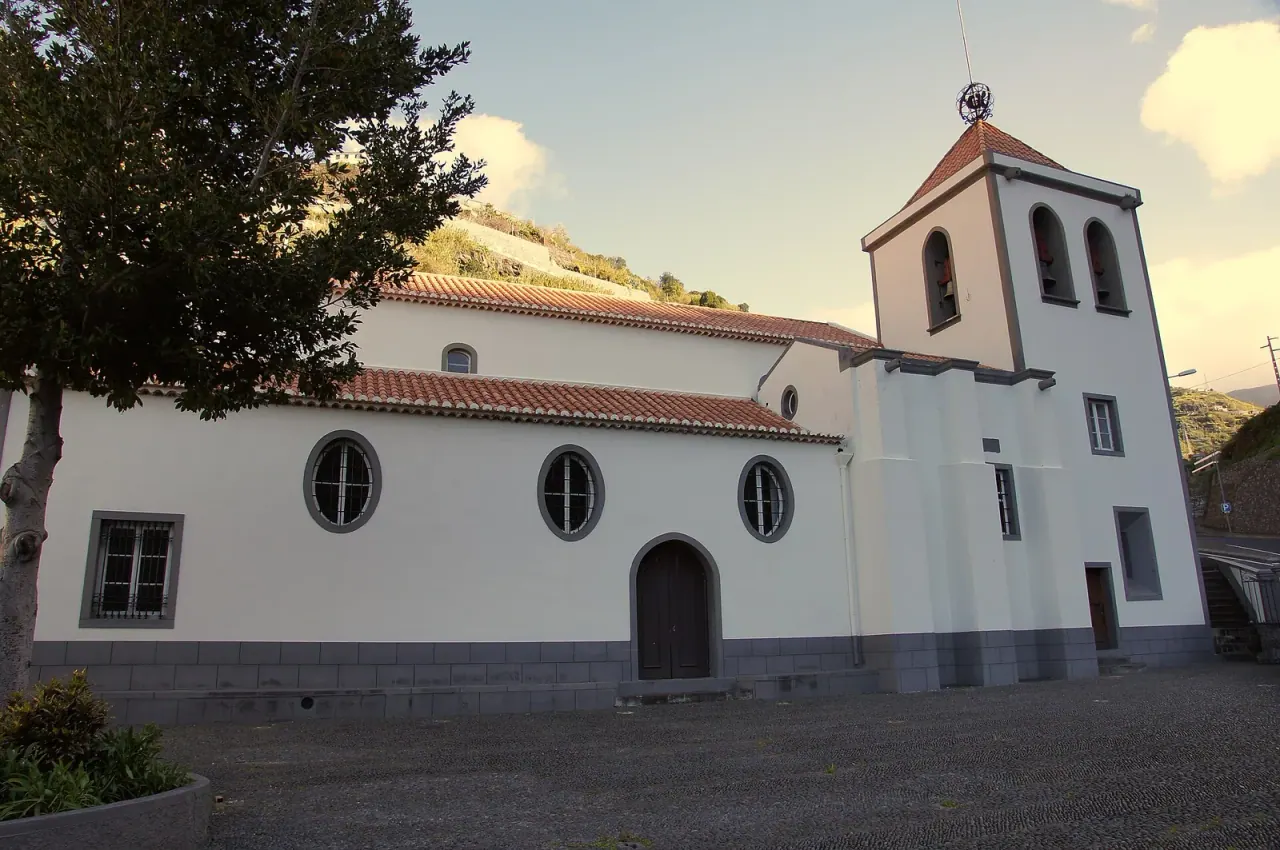
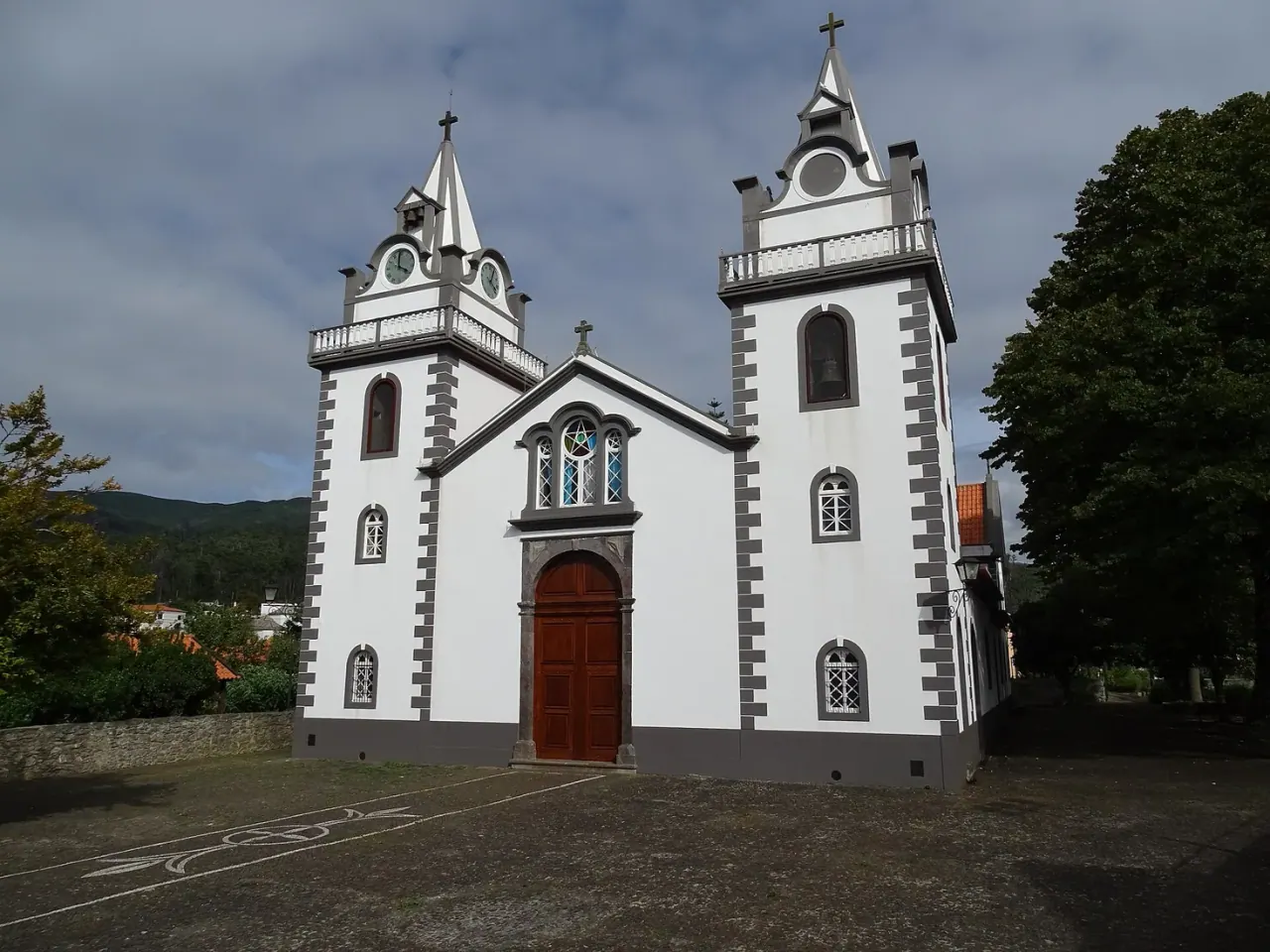
The white façade and basalt trim of the parish church of the Holy Spirit in Calheta
Late 15th century, rebuilt 1639

Igreja Matriz da Calheta

Calheta's parish church, and the one building in the town that reaches back to the first generation of settlement. Behind a plain white-and-basalt front are two things worth the detour: a Mudéjar knot-work wooden ceiling over the chancel and nave, and a large ebony tabernacle inlaid with silver.

About 600 m from the beach·20–30 minutes
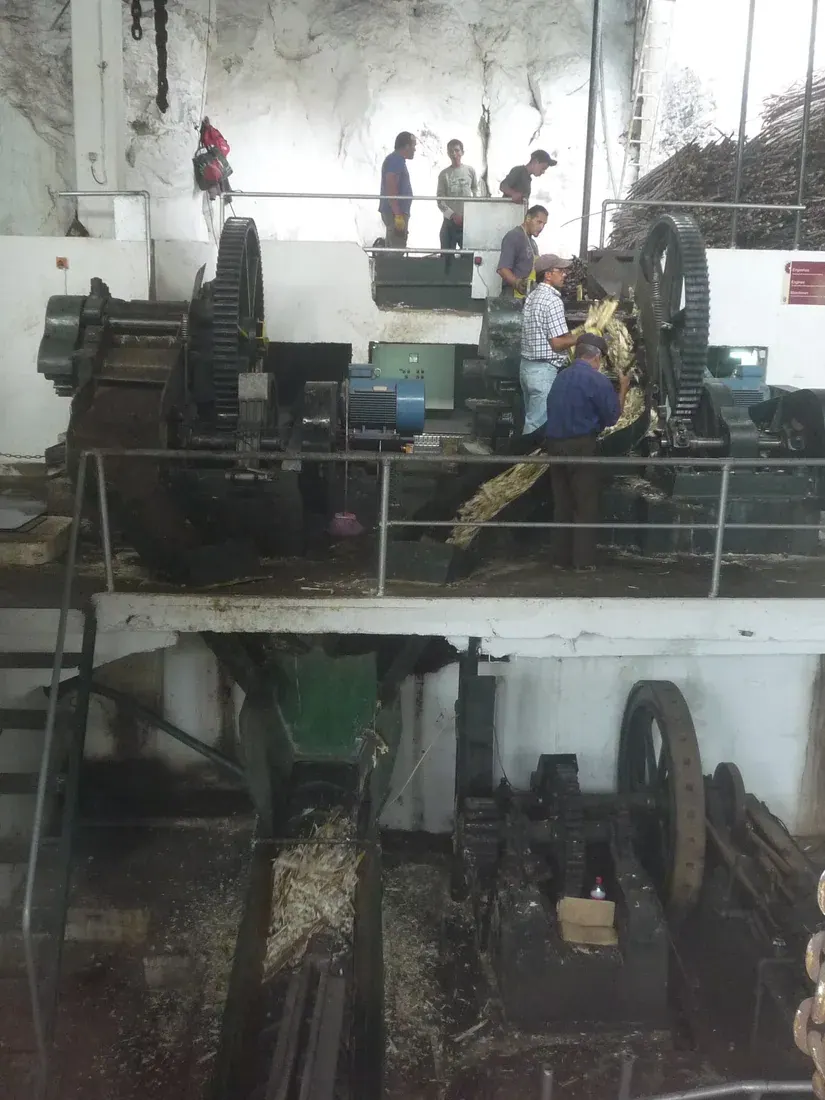
Workers feeding cut cane into the crushing machinery at the Calheta sugar mill during the season
Working sugar-cane mill and rum distillery

Engenho da Calheta

A working sugar-cane mill and rum distillery in the middle of the village, with a tasting room and shop attached. Madeira's early economy was built on sugar cane, and this is one of the few places on the island where you can stand next to the machinery that turns cane into aguardente de cana and cane honey.

About 600 m from the beach·45 minutes
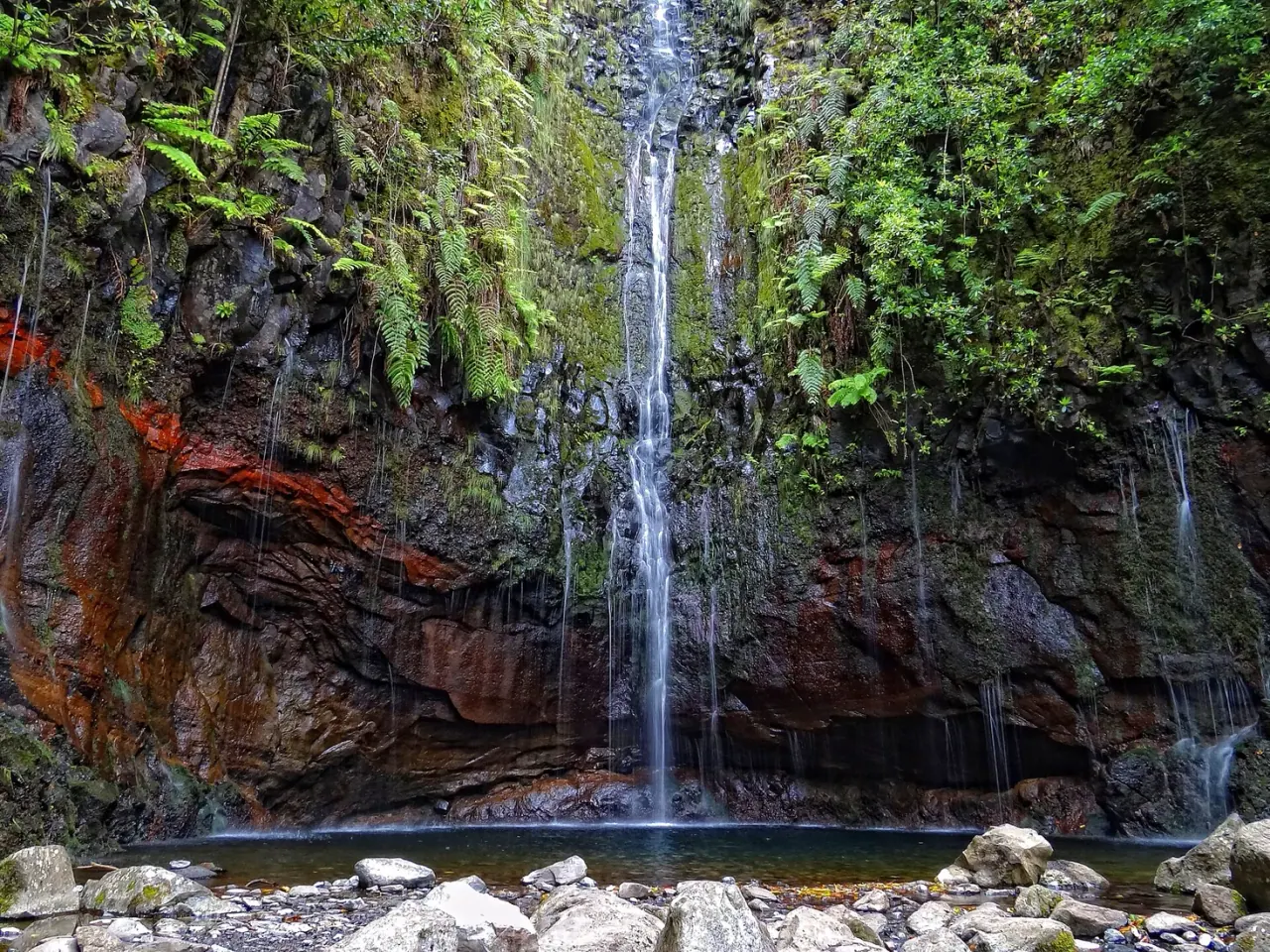
Water threads falling into the green pool at the end of the 25 Fontes levada walk
Irrigation channel through UNESCO laurel forest

Levada das 25 Fontes (PR6)

Madeira's most walked levada, and it starts inside the municipality of Calheta. The path follows an irrigation channel through laurisilva forest to an amphitheatre of rock where a scatter of springs runs down the wall into a green pool. It is beautiful and it is busy. The two facts are inseparable.

About 25 km by road, roughly 35–40 minutes' drive·3–4 hours for the full there-and-back
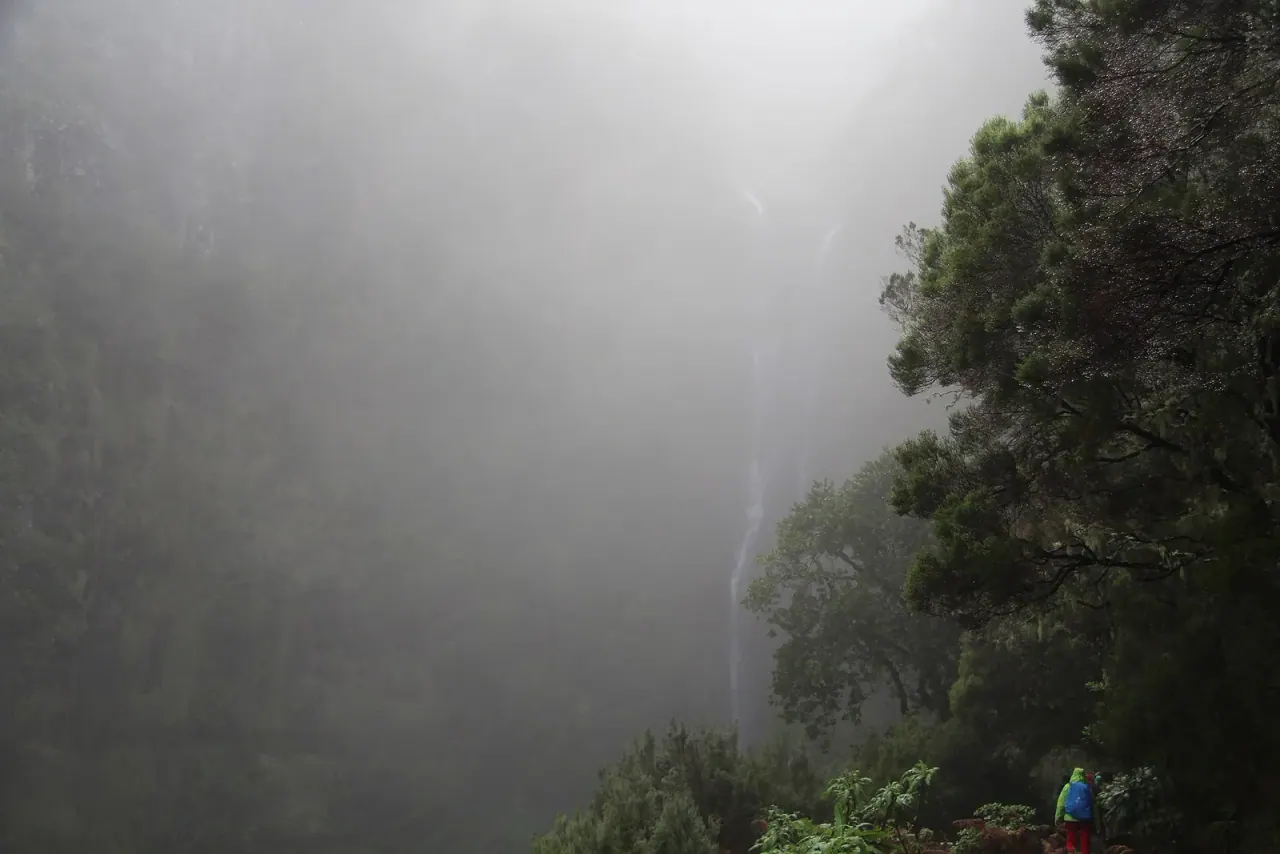
The Risco waterfall dropping through mist on the wall above the Rabaçal valley
Natural

Levada do Risco (PR6.1)

The short, easy walk at Rabaçal, and the one to do if you have an hour rather than an afternoon. A close-to-level levada path through laurel forest ends at a viewpoint facing the Risco waterfall, around 100 m of separate water threads sliding down a near-vertical wall rather than a single plunge.

About 25 km by road, roughly 35–40 minutes' drive·About an hour as an add-on to PR6
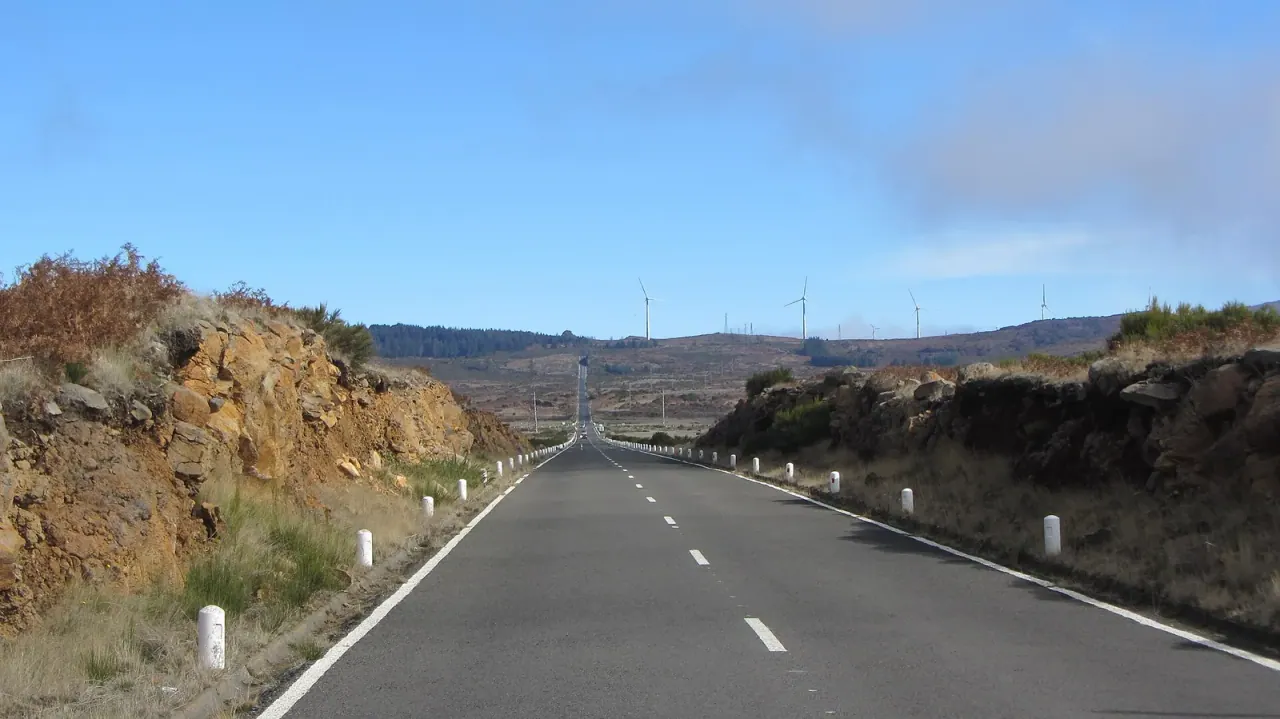
The open heath of the Paul da Serra plateau above Madeira's south-west coast
Natural

Paul da Serra

The only real plateau on Madeira: a wide, treeless upland of heath and grazing at around 1,400 m, reached from Calheta by a road that climbs through terraces, then forest, then cloud. It is the island's water tower, the levadas below start here, and it feels nothing like the coast half an hour downhill.

About 20 km by road, roughly 30 minutes' drive·1–2 hours as a drive
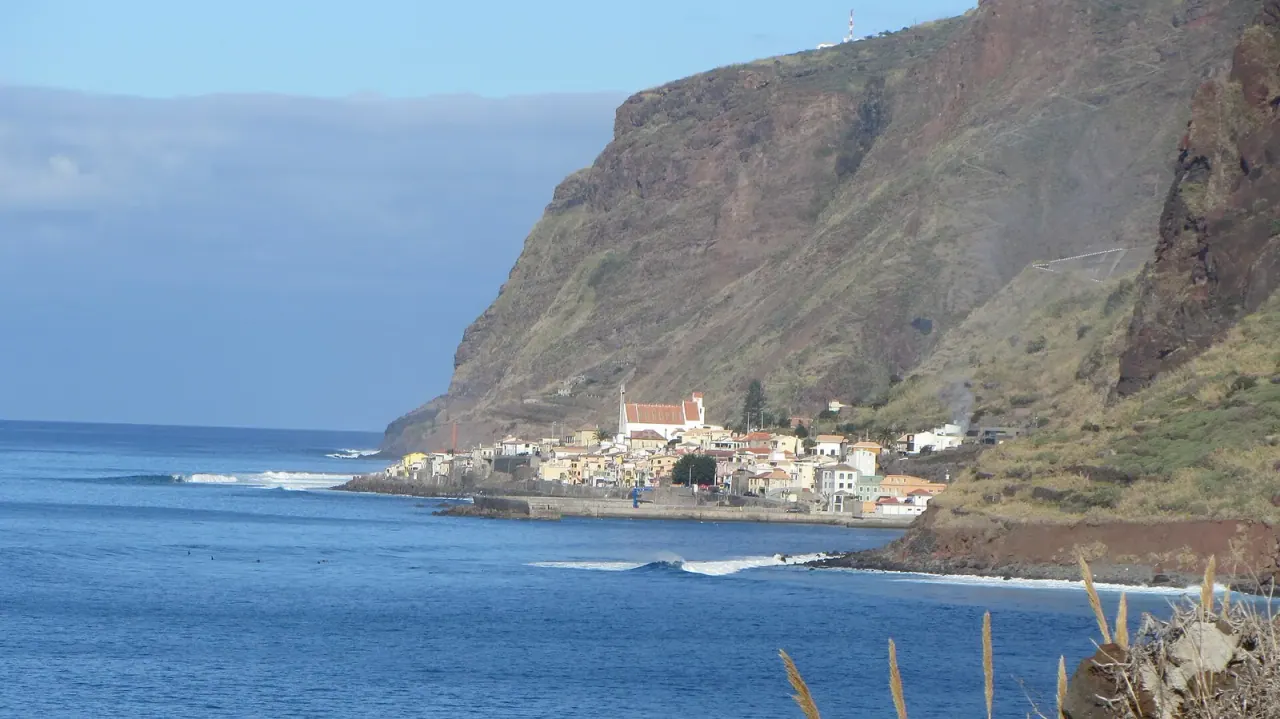
The village of Jardim do Mar on its coastal shelf below the cliffs west of Calheta
Settlement-era village

Jardim do Mar

A small parish on a shelf of land below the cliffs, with cobbled lanes too narrow for cars and a boulder shore that made its name in surfing. Until the coast road tunnels were built, getting here meant a footpath. It still feels like the end of something.

About 9 km by road, roughly 15 minutes' drive·2 hours
The seafront of Paul do Mar beneath its cliff wall on Madeira's west coast
Settlement-era fishing village

Paul do Mar

A long, thin fishing village pinned between a very high cliff and the Atlantic, reached by a switchback road or a tunnel. It takes the most exposed swell on this coast, has a working fishing harbour, and a seafront of small restaurants where the fish is landed a few metres away.

About 13 km by road, roughly 20 minutes' drive·2 hours, or lunch
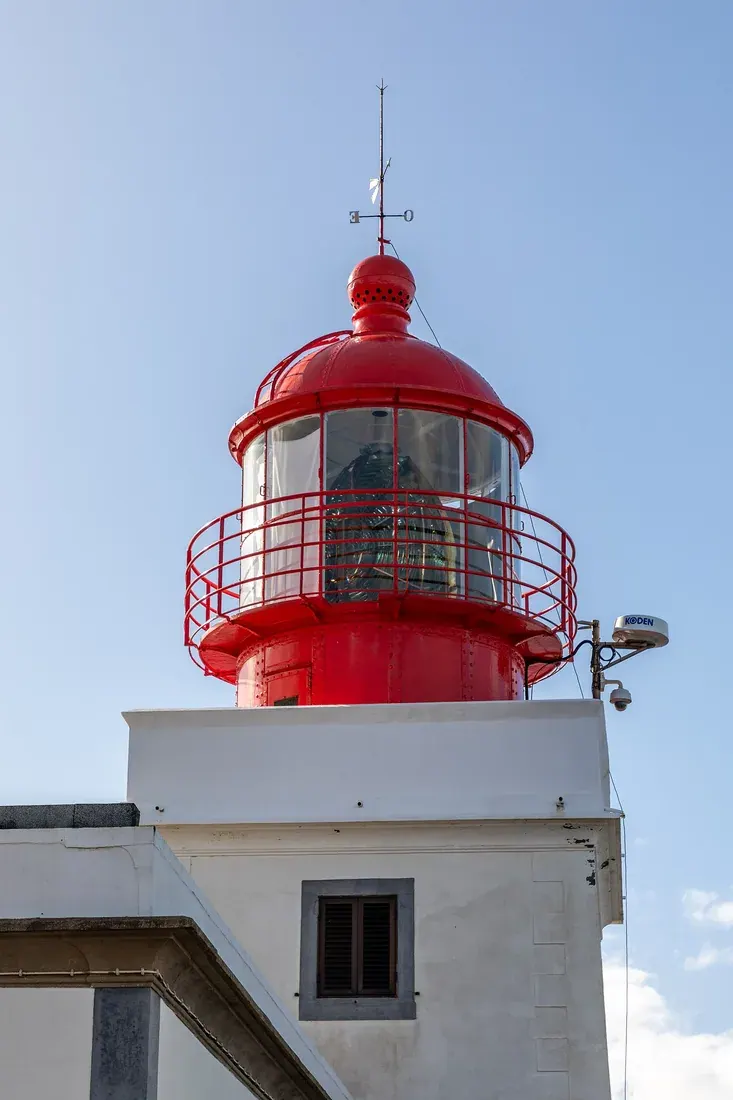
The white lighthouse at Ponta do Pargo on the clifftop at Madeira's western cape
Built 1922

Farol da Ponta do Pargo

Madeira's westernmost lighthouse, standing on a clifftop at Ponta Vigia with a drop of over 300 m to the water. The tower itself is modest, a 14 m ribbed concrete cylinder, but the light sits at roughly 312 m above sea level, which gives the viewpoint beside it one of the biggest sea horizons on the island.

About 25 km by road, roughly 35 minutes' drive·45 minutes
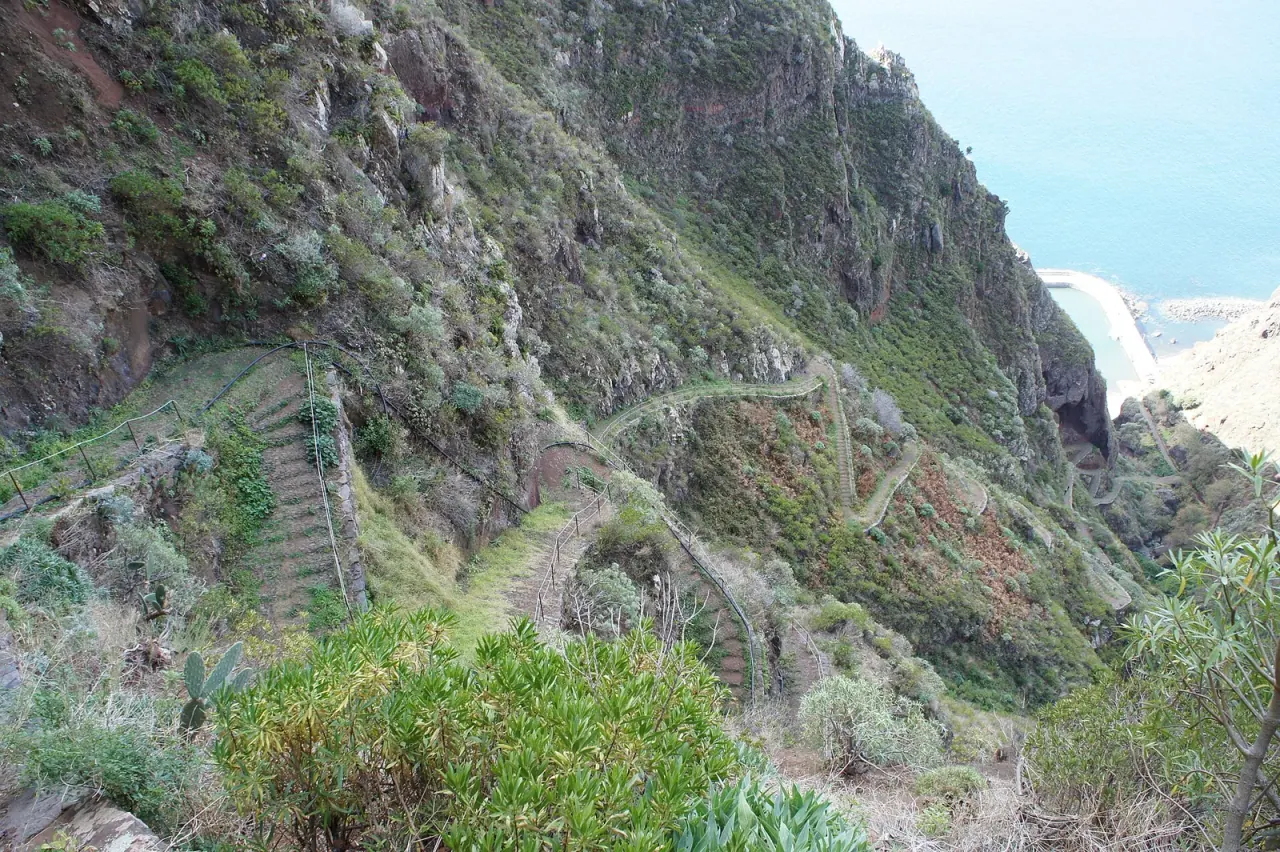
The clifftop village of Prazeres above the west coast of Madeira
Settlement-era parish

Prazeres

A quiet clifftop parish above Paul do Mar, on the shelf where the west coast levels out before it falls away. It is the practical base for walking this end of the island and the top of the old zig-zag path down to the sea.

About 10 km by road, roughly 15 minutes' drive·1 hour

Planning Your Days?

Combine a beach morning with a levada, or use Calheta as the base for the whole west of the island.

Calheta Sights, FAQ

What are the must-see sights in Calheta?+

The beach and marina, the Engenho da Calheta rum mill, the MUDAS contemporary art museum above the town, the parish church with its Mudéjar ceiling, and, up at Rabaçal, the 25 Fontes and Risco levada walks.

Does Calheta have historic monuments?+

Yes, though not many. The parish church dates from the late 15th century, was rebuilt in 1639, and holds a Mudéjar knot-work ceiling and a 16th-century ebony-and-silver tabernacle. Madeira was uninhabited before the 1400s, so nothing on the island is older than that.

Is Calheta's beach sandy?+

Yes, but the sand was imported. The beach was engineered in 2004 with golden sand shipped mainly from Morocco, because Madeira's natural shoreline is basalt pebble and boulder.

How many days do you need to see Calheta's sights?+

Two days covers the town, beach, mill, church, museum, plus one levada at Rabaçal. Add a third for the west coast: Jardim do Mar, Paul do Mar, Prazeres and the lighthouse at Ponta do Pargo.

What is the difference between Calheta and Estreito da Calheta?+

They are two of the municipality's eight parishes. Calheta is the coastal parish with the beach, marina and mill; Estreito da Calheta sits in the terraces just above it, and is where the MUDAS museum is addressed.