History
How it came to be
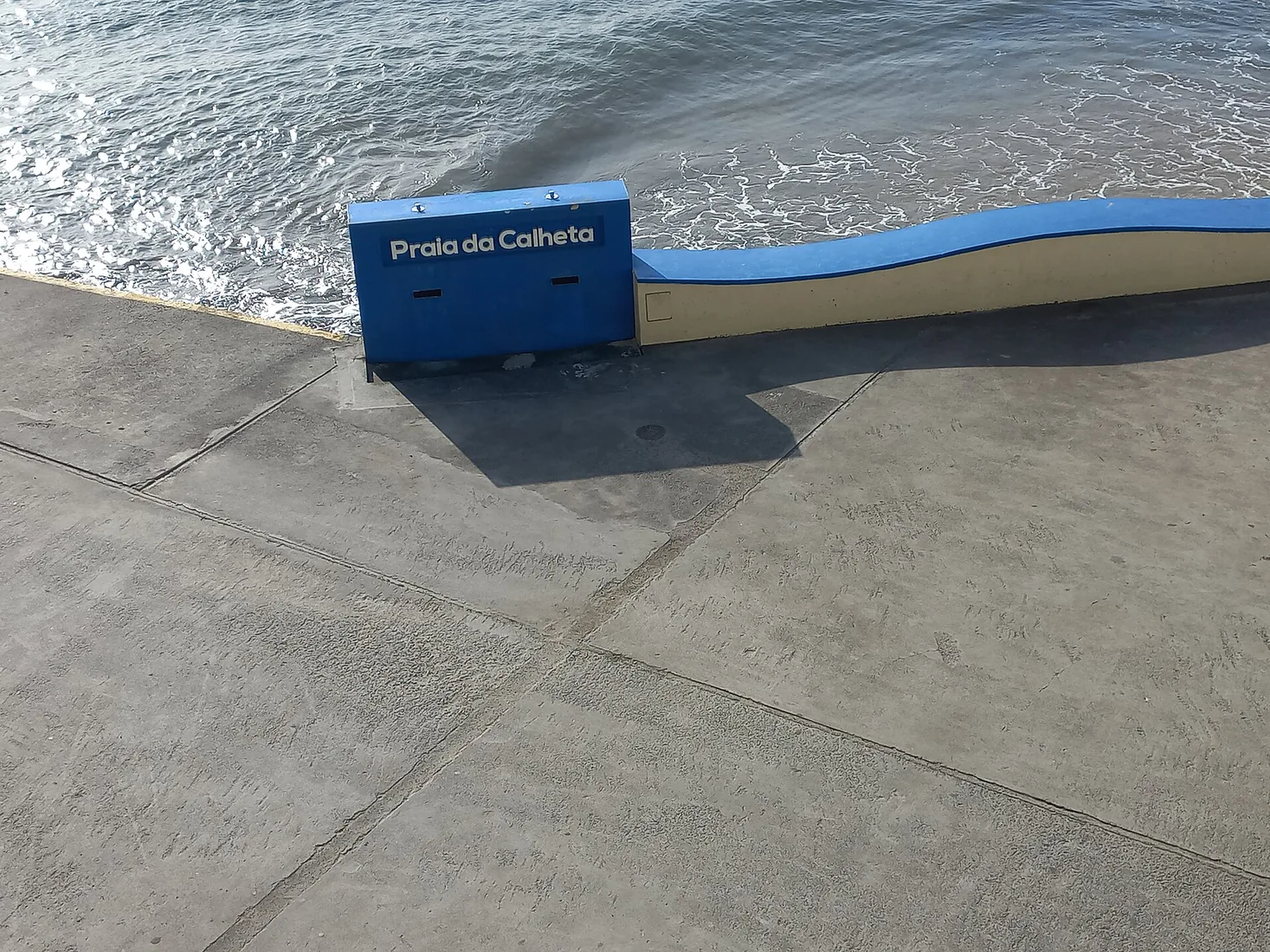
The beach was inaugurated in 2004 as the first artificial beach on Madeira, built with golden sand imported by sea, mainly from Morocco, with some from Figueira da Foz on mainland Portugal. The two breakwaters were part of the design from the start: they enclose the bathing area and stop the imported sand from being dragged out during storms. A second artificial sand beach was later built at Machico on the east coast.
What You'll See
On a visit
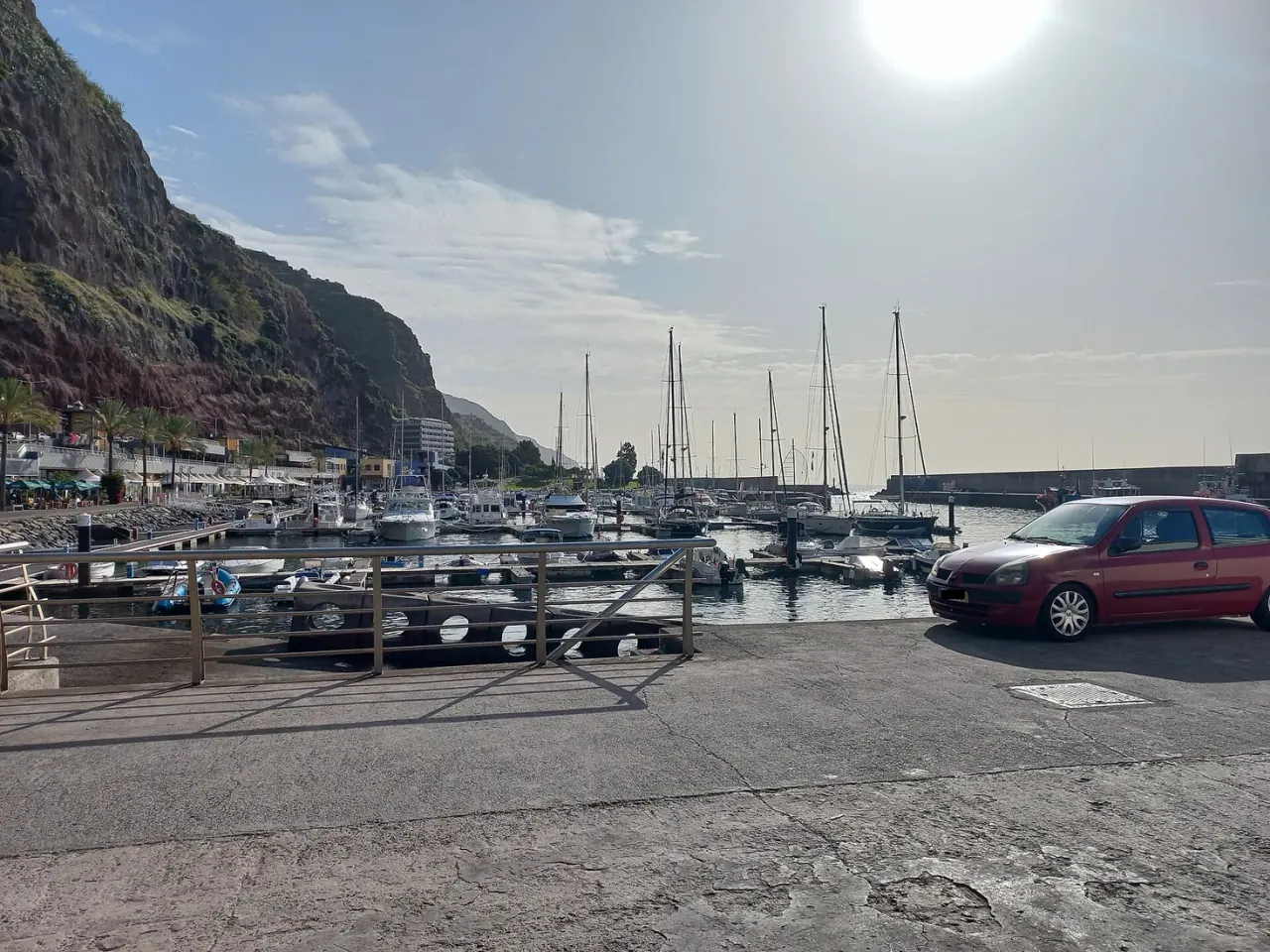
The sand itself, which is a genuinely different colour from every natural beach on the island; the two breakwater arms, walkable for a view back at the terraced slopes behind town; the marina immediately east, where the whale-watching and sailing boats tie up; and the promenade of bars and restaurants that runs behind the sand.
How to Visit
Free access on foot from the marina car parks. Sunloungers and parasols are hired on the sand in season. Changing rooms, showers, toilets and a first-aid post are on site, with lifeguard cover in the bathing season.
Best Time
Morning, before the afternoon coach groups and the shade off the western breakwater
Getting There
Good to Know
It is real sand, but it is not local. The beach was built in 2004 with golden sand shipped in, mainly from Morocco and partly from Figueira da Foz in mainland Portugal, because Madeira's own beaches are pebble and boulder.
Yes. Access to the sand is free. You only pay if you hire a sunlounger and parasol from the concession.
Usually. The two breakwaters shelter the bathing area from the Atlantic swell, which is exactly why the beach was engineered this way, and there is lifeguard cover in the bathing season. Always check the flag.
Read More