Updated 2026·Checked on foot·Avenida Dom Manuel I, Vila da Calheta
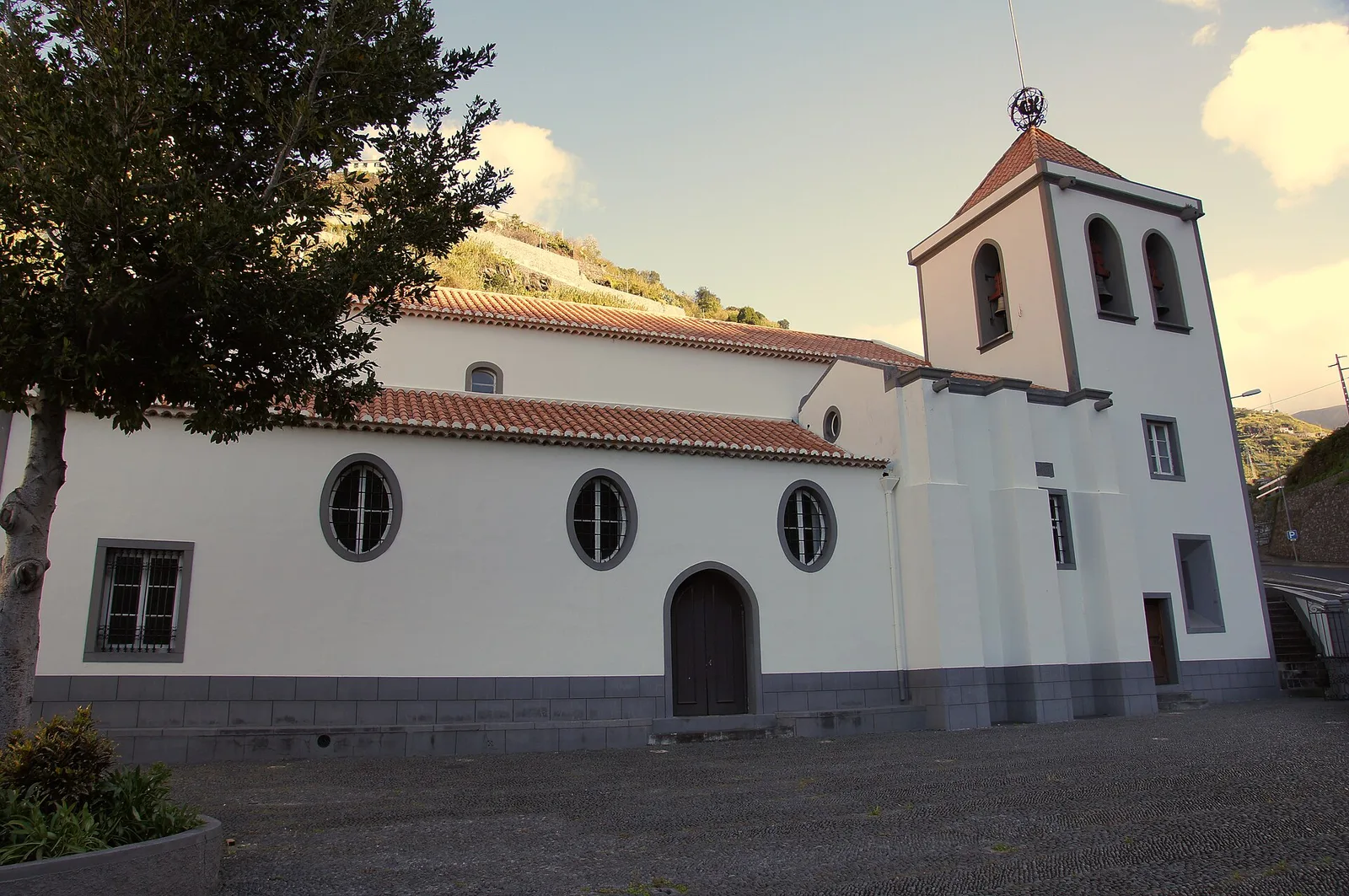
Calheta's parish church, and the one building in the town that reaches back to the first generation of settlement. Behind a plain white-and-basalt front are two things worth the detour: a Mudéjar knot-work wooden ceiling over the chancel and nave, and a large ebony tabernacle inlaid with silver.
Igreja Matriz da Calheta · Late 15th century, rebuilt 1639Allie_Caulfield / CC BY 2.0 via Wikimedia Commons
Period
Late 15th century, rebuilt 1639
Location
About 600 m from the beach
Entry
Free
Hours
Open around services; times vary. Ask locally
Time Needed
20–30 minutes
Hours and prices last checked 2026, they change, so confirm on the day.
History
How it came to be
Calheta was one of Madeira's earliest parishes, founded in 1430, in the first decades after the island was settled. The church was first built in the late 15th century and rebuilt in 1639, which is why Manueline elements sit alongside later work. The ebony-and-silver tabernacle is traditionally held to be a gift from King Manuel I.
What You'll See
On a visit
The Mudéjar ceiling above the high altar, Moorish-influenced carpentry that is unusual on Madeira; the 16th-century ebony tabernacle with its silver inlay; the carved Renaissance holy-water font; and the sacred silver and processional cross kept with the parish.
How to Visit
In the centre of the village on the main avenue; step-free from the street.
Best Time
Late morning
Getting There
Location
About 600 m from the beach · Avenida Dom Manuel I, Vila da Calheta
A wooden knot-work ceiling in the Moorish-influenced Mudéjar style, spanning the chancel and nave. It is the church's most distinctive feature and rare on Madeira.
The church holds a large 16th-century tabernacle carved in ebony and inlaid with silver, traditionally linked to a gift from King Manuel I. Treat the attribution as tradition rather than documented fact.