Madeira's early wealth came from sugar cane, planted by the first settlers in the fifteenth century. Most of that industry is gone. In Calheta a working piece of it is still standing in the middle of the village, and it makes the drink you will be handed everywhere else on the island.
What poncha is
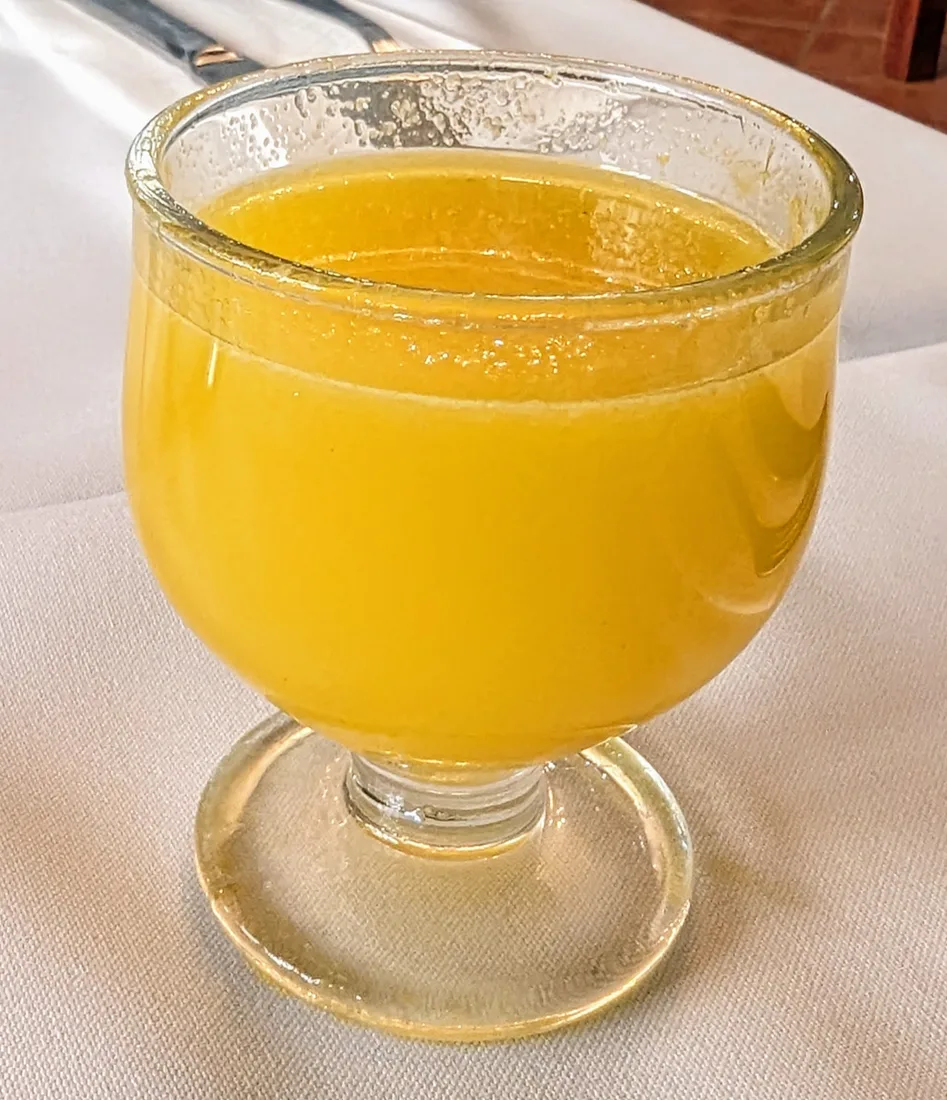
Sugar-cane rum, aguardente de cana, with bee honey and citrus juice, stirred together with a grooved wooden stick called a mexelote. Classically lemon; orange and passion fruit are common variants. It is strong and it does not taste it, which is the recurring problem with poncha.
The distinction worth knowing: poncha made to order and stirred in front of you is a different drink from poncha poured out of a pre-mixed bottle. Ask.
The Engenho da Calheta
The mill on Avenida Dom Manuel I is a working sugar-cane mill and rum distillery with a tasting room and shop attached. Cane juice is fermented under control and distilled on copper column stills, some over a century old. The same process yields mel de cana, cane honey, or molasses, which is what goes into the island's dark, spiced bolo de mel, despite the name suggesting bees.
Entry is free. You pay for what you drink or take away.
The mill itself only runs for a short season each year, traditionally starting after Easter when the cut cane comes in. Outside that window the buildings, the stills and the tasting room are still open. You just will not see the crushing. Ask locally rather than trusting a published date; the window moves with the harvest and with Easter.
What else to drink here
Madeira wine, fortified and then deliberately aged with heat, a process that started by accident on long sea voyages. Styles run from dry Sercial through Verdelho and Bual to sweet Malmsey. An opened bottle keeps for months, which is why it is one of the few wines genuinely worth ordering by the glass anywhere.
Coral, the island's lager, is the everyday beer.
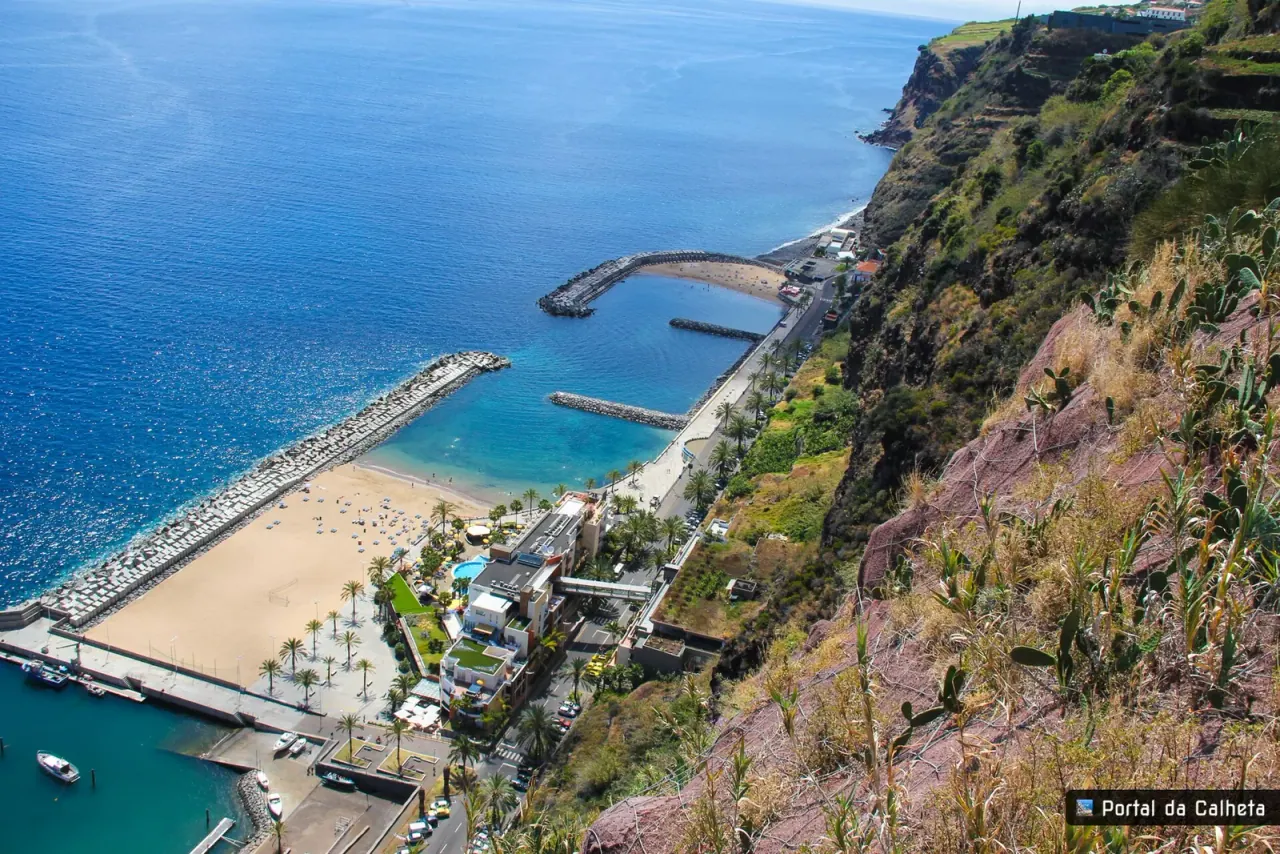
Most of these turn up on the same menus as the food, where to eat in Calheta covers the marina, the village grills and the west coast, and the bars along Marina da Calheta are a two-minute walk from Praia da Calheta if you want the drink and the sand in the same afternoon. The mill, the marina and the parish church, Igreja Matriz da Calheta, all sit on the same short stretch of Avenida Dom Manuel I, so the whole of old Calheta is one walk.
FAQ
What is poncha made of? Sugar-cane rum, honey and citrus juice, stirred with a wooden mexelote. Lemon is classic; orange and passion fruit are common.
Can you visit the Calheta rum mill for free? Yes. Entry is free year-round; you pay only for drinks and bottles.
When does the mill actually crush cane? For a short season each year, traditionally after Easter. The exact window moves with the harvest. Ask locally.
Is bolo de mel made with bee honey? No. It is made with mel de cana, sugar-cane molasses, the mill's other product.
Where else is poncha associated with? Câmara de Lobos, about 40 minutes east, has the strongest reputation for it. Calheta's advantage is that the rum is distilled in the village.